
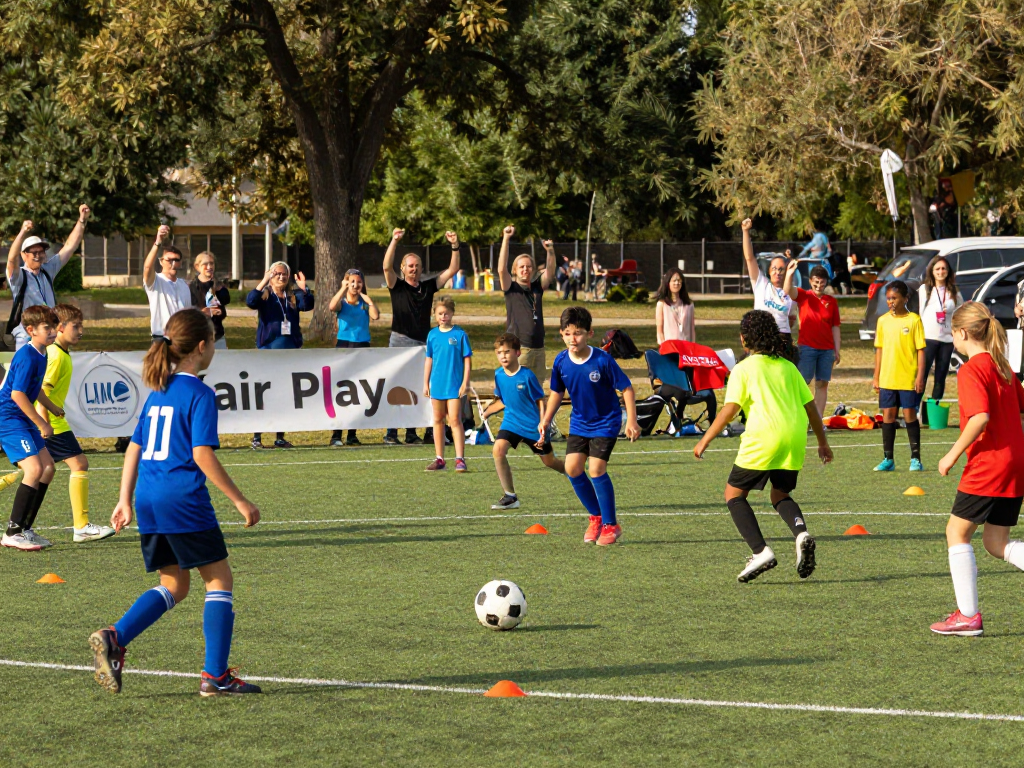
Understanding Fair Play in Sports
Fair play is a fundamental concept that transcends the boundaries of sports, emphasizing ethical behavior, respect, and integrity among all participants. As we navigate the increasingly competitive landscape of athletics, the principle of Fair play serves as a crucial pillar sustaining not only the spirit of sportsmanship but also the very fabric of societal values. Understanding the intricacies of fair play is essential for athletes, coaches, parents, and supporters alike. This article explores the essence of fair play, highlighting its importance, common misconceptions, and ways to implement its principles effectively.
What is Fair Play?
Fair play can be defined as a set of unwritten rules that govern behavior in sports and games, which emphasizes fairness, respect for opponents, and adherence to the spirit of the game. It encompasses a range of attitudes and behaviors, such as playing within the rules, promoting sportsmanship, and showing respect towards officials, teammates, and adversaries. Fair play extends beyond the field; it is about fostering an environment where competition leads to personal growth and mutual respect rather than animosity.
The Importance of Fair Play in Athletics
Fair play not only enhances the experience of athletes but also enriches the audience’s engagement with the sport. The primary benefits of fair play include:
- Building Character: Engaging in fair play builds essential personal qualities such as honesty, integrity, and respect—attributes that are valuable in all areas of life.
- Promoting Inclusivity: Fair play ensures that every participant, regardless of skill level or background, feels valued and respected in the sporting community.
- Encouraging Healthy Competition: By emphasizing fair play, athletes focus on improving their skills and competing against themselves and their previous performances rather than solely fixating on winning at all costs.
- Strengthening Community Bonds: Adopting fair play principles fosters a sense of community among players, coaches, and supporters, creating a shared environment of positive values.
Common Misconceptions About Fair Play
Despite its importance, several misconceptions surrounding fair play hinder its effective implementation. Here are a few prevalent myths:
- Fair Play is Only About Winning: Some believe that fair play is synonymous with losing. However, it is about competing honorably regardless of the outcome.
- Fair Play is Only Relevant for Elite Athletes: Fair play is essential at all levels, from local youth leagues to professional sports. Instilling these values early leads to healthier lifelong sports participation.
- Rules are Sufficient for Ensuring Fair Play: While rules are important, the spirit of fair play is about personal responsibility and the choices athletes make within those rules.
Implementing Fair Play Principles
To foster an environment where fair play flourishes, it is essential for coaches, parents, and sports organizations to work collaboratively. Below are strategies that can be implemented across different levels of sport to promote fair play.
Strategies for Coaches and Parents
Coaches and parents play pivotal roles in cultivating a culture of fair play. Here are some actionable strategies:
- Model Behavior: Coaches and parents should demonstrate fair play in their actions and decisions, providing a live example for young athletes to emulate.
- Set Clear Expectations: Clearly articulate the importance of fair play at the start of the season. Discuss what it looks like in practice, and reinforce those principles regularly.
- Reward Sportsmanship: Create incentives for players who exemplify fair play, complementing performance metrics with recognition for good behavior.
Creating a Fair Play Culture in Youth Sports
Establishing a culture of fair play among youth athletes requires consistent effort and commitment from everyone involved, including leagues and organizations. Consider the following:
- Educational Workshops: Host workshops for athletes, coaches, and parents focused on the principles of fair play, fostering discussions and interactive scenarios.
- Community Involvement: Engage local organizations to promote fair play initiatives, creating community-wide events that encourage participation without the pressure to win.
- Feedback Mechanisms: Encourage participants to share their thoughts on fair play experiences, and adjust programs based on feedback to address emerging challenges.
Role of Sports Organizations in Promoting Fair Play
Sports organizations hold significant influence over the culture of fair play within their realms. They can:
- Institute Fair Play Policies: Establish clear guidelines and policies that outline the expectations of fair play for all participants.
- Monitor Compliance: Implement systems to monitor compliance with fair play codes and address breaches promptly.
- Advocate for Fair Play: Use their platforms to initiate campaigns that promote fair play, leveraging social media and community outreach.
Challenges to Achieving Fair Play
While the importance of fair play is clear, several obstacles can hinder its effective application. Recognizing these challenges is the first step toward addressing them.
Identifying Barriers to Fair Play
Barriers to fair play can stem from various sources, including:
- Overemphasis on Winning: A culture that glorifies victories can lead to compromised ethics, where athletes feel pressured to bypass fair play principles.
- Lack of Education: Many athletes, coaches, and parents are not fully educated on what fair play entails, leading to misunderstandings and inconsistent behavior.
- Inadequate Enforcement: In many organizations, the lack of enforcement measures for breaches of fair play can lead to a culture of impunity.
Addressing Cheating and Unsportsmanlike Conduct
To combat cheating and unsportsmanlike conduct, a multifaceted approach is necessary:
- Promote Awareness: Educating participants about the long-term consequences of cheating can deter such behavior.
- Encourage Reporting: Create safe channels for athletes to report instances of unsportsmanlike conduct without fear of reprisal.
- Implement Consequences: Establish clear consequences for violations to ensure accountability, fostering an environment where fair play is upheld.
Solutions to Overcome Fair Play Challenges
Solutions to achieving fair play include:
- Creating Alliances: Forming partnerships with educational institutions can help integrate fair play education into school curriculums.
- Technology Usage: Employing technology, such as performance tracking and analytics, can help identify behaviors that contravene fair play principles.
- Regular Evaluations: Continuously evaluate policies and practices to ensure they align with fair play objectives and adapt to changes in the sporting environment.
Real-World Examples of Fair Play
Looking at real-world examples can provide insights into how fair play is successfully implemented and its positive impact on sports.
Case Studies in Local Sports Teams
Local sports teams who embrace fair play often create exceptional environments for growth. For instance, a community soccer league that adopted fair play as its core motto reported increased participation rates, demonstrating how an emphasis on ethics can expand the reach and appeal of sports.
International Fair Play Initiatives
Organizations such as the International Fair Play Committee promote global standards for fair play. Their initiatives encourage sports organizations worldwide to adopt fair play policies and provide training resources for athletes and coaches.
Impact of Fair Play on Team Performance
Teams that prioritize fair play often see enhanced performance due to increased cooperation among players. Research indicates that fostering a culture of fairness leads to better teamwork, resulting in improved gameplay.
The Future of Fair Play in Sports
The future of fair play is being shaped by emerging trends and technological advancements, paving the way for a more equitable sports landscape.
Trends Shaping Fair Play by 2026
As we approach 2026, several trends are likely to influence fair play:
- Increased Emphasis on Ethics Training: Sports organizations are expected to enhance training around ethics and fair play, integrating them into formal curricula.
- Greater Community Engagement: Community initiatives that promote fair play are likely to become a staple, emphasizing local involvement and inclusivity.
- Global Collaboration: Expect a surge in international collaborations aimed at standardizing fair play practices across borders, making ethical competition a universal expectation.
Technological Advances Supporting Fair Play
Technological innovations will play a pivotal role in supporting fair play. From tracking performance analytics to using AI for monitoring fair play compliance, technology can provide insights that encourage ethical behaviors in athletes.
Engaging Communities for Lasting Change
Engaging communities in discussions around fair play will be critical for societal change. Initiatives that foster conversations about sportsmanship in schools, local clubs, and community events can create a ripple effect, encouraging a broader culture of integrity.
What role do parents play in promoting fair play?
Parents are instrumental in promoting fair play by instilling values of respect, integrity, and sportsmanship at home. Their support and involvement in youth sports contribute significantly to a player's mindset, emphasizing the importance of ethical behavior over winning.
How can schools implement fair play in physical education?
Schools can implement fair play in physical education by developing programs that teach students the values of teamwork, respect, and integrity. Engaging students in discussions about sportsmanship and creating activities that reward fair play can foster a culture of ethical competition.
What are the benefits of fair play beyond sports?
The benefits of fair play extend beyond sports into daily life, fostering qualities such as empathy, respect, and collaboration. These values are essential in various contexts, contributing to healthier relationships and communities.
How will technology influence fair play in 2026?
By 2026, technology is anticipated to have a profound impact on fair play through enhanced monitoring systems, gamified ethical training, and apps that promote sportsmanship, making it easier for athletes and organizations to uphold fair play standards.
What steps can organizations take to foster a fair play culture?
Organizations can foster a culture of fair play by implementing robust education programs, creating a code of conduct that emphasizes fair play, and promoting community engagement initiatives. For more information, FairPlay offers valuable insights. Regular evaluations and adjustments will ensure that the ideals of fair play are upheld over time.